POINT OF INTEREST  MONUMENTS

Porta Perugina

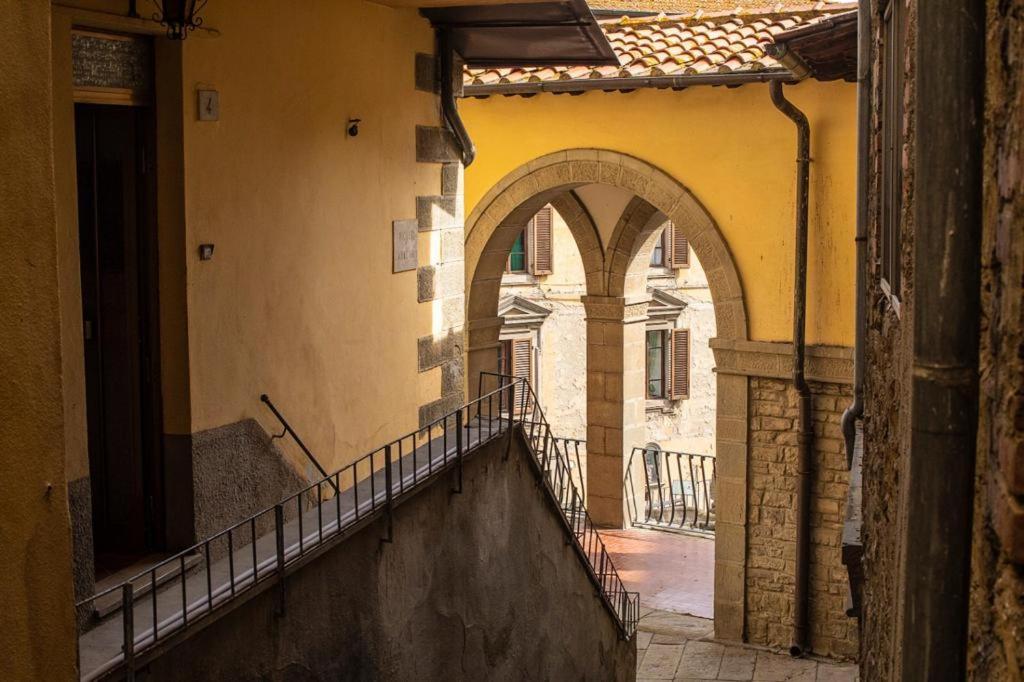
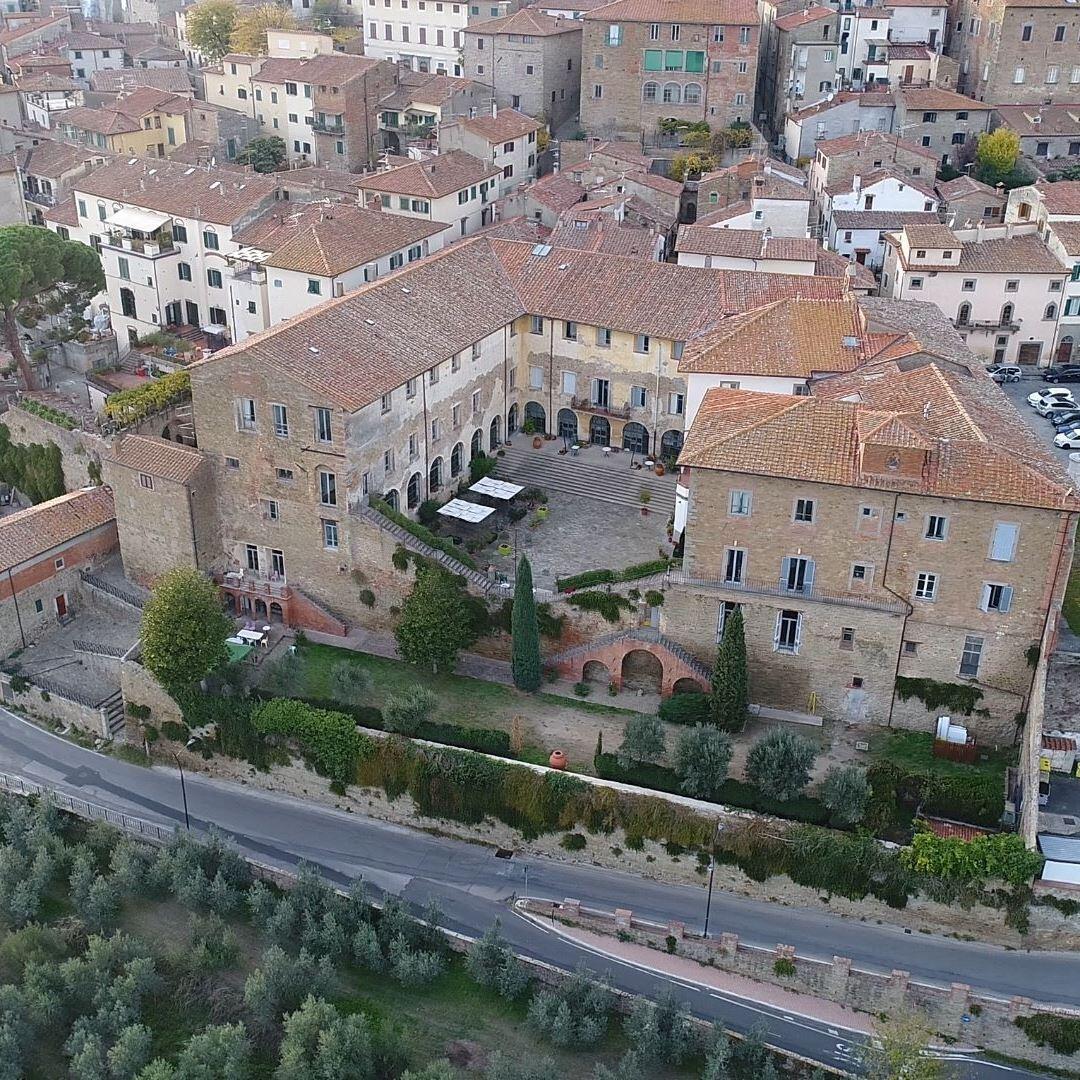
Al termine di una ripida scalinata è disponibile l'accesso occidentale al fortilizio del Cassero

×

More information :

At the end of a steep staircase there is the western access to the Cassero fortress. The entrance was built by the Perugians in the mid-14th century during their domination of the Municipality. The gate, built in local stone, replaced the nearby Etruscan gate that had been blocked under the walls since the 11th century.

The opening seems to correspond to the so-called Porta Caditoia or Porta dell'ultimo soccorso, mentioned in sources as the last defensive bastion for the inhabitants of the castle. It seems that the gate was little used since what is still today the main access to the Cassero area was used.

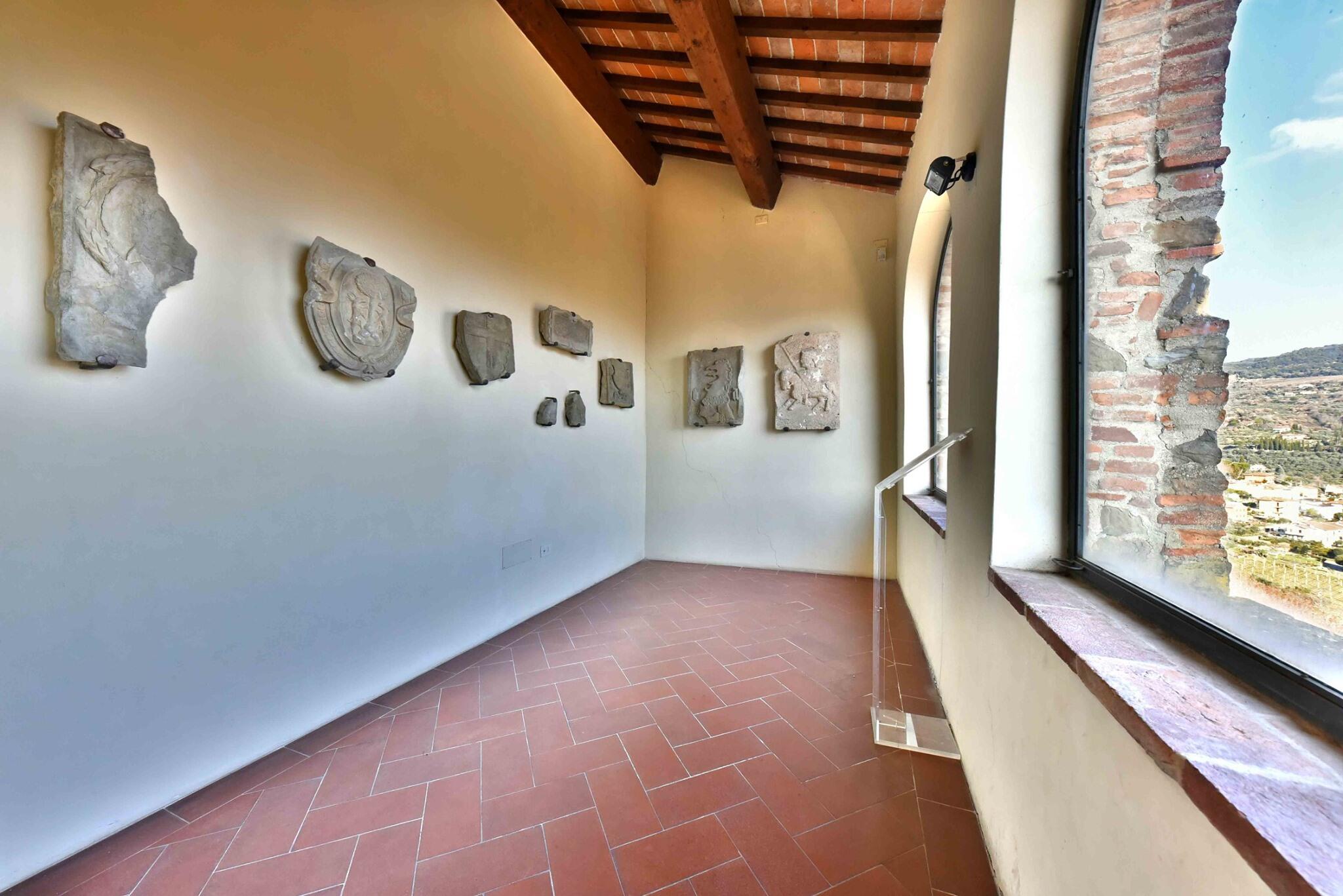
Above the arch three coats of arms in sandstone are barely legible, badly deteriorated, which probably recall the dominations suffered by the Municipality of Castiglion Fiorentino.
How to Get Here

Address:

Via dell'orto 2
52043 Castiglion Fiorentino (AR)

View in Maps

Contacts

Below are our contacts through which you can reach us:

Share the page

Below are our references through which you can contact us:

You might also be interested in ...

Drag or swipe the images for a more immersive experience.

Church of San Francesco

The church, overlooking the square of the same name, was built by the Franciscans in the mid-13th century over a pre-existing 12th-century structure, first dedicated to San Salvatore and then to San Leonardo.

View More

Church of Sant'Angelo

Mentioned in written sources from 1147 onwards, the church of Sant'Angelo is the oldest building in the town.

View More

Museo Archeologico

The Civic Archaeological Museum of Castiglion Fiorentino was founded in 2001 to exhibit the materials found during archaeological investigations carried out in the area

View More

Romeo Germanica Trail

Castiglion Fiorentino is present within the Via Romea Germanica route as the arrival point of stage number 80

View More

Church of Consolation

In the Middle Ages, at the foot of the village of Castiglion Fiorentino, there stood a small shrine containing an image of the Madonna and Child attributed to Luca Signorelli.

View More

Church of the Good Death

The Company of Prayer and Death, or Company of the Good Death, was founded in 1572 to organize a service of prayer, transportation, and burial of the deceased.

View More

Loggiato Vasariano

In front of the Town Hall we find the so-called Vasari loggia: in reality the nine-arched construction, built on the occasion of the reconstruction of the current Town Hall square, dates back to 1513.

View More

Collegiate Church of Saints Michael and Julian

Stands out for its neoclassical structure and its loggia with massive columns resting on travertine bases.

View More

Institute of Santa Chiara

The complex was founded in the 16th century, when the monastery of San Salvatore was incorporated, which underwent significant expansion after 1557.

View More

Walks of Saint Francis

The Ways of St. Francis in Tuscany are a nearly 300-kilometer path that leads pilgrims and travelers to places linked to key episodes in the life of the Saint.

View More