POINT OF INTEREST  CHURCHES

Church of Sant'Agostino

×

More information :

How to Get Here

Address:


()

View in Maps

Contacts

Below are our contacts through which you can reach us:

Share the page

Below are our references through which you can contact us:

You might also be interested in ...

Drag or swipe the images for a more immersive experience.
Parish Church of Saints Hippolytus and Cassian in Retina

The Parish Church of Saints Hippolytus and Cassian in Retina, now the Capuchin Church, is located in Pieve a Retina, Castiglion Fiorentino.

View More

Museo della Pieve di San giuliano

Since 2006, the Pieve di San Giuliano in Castiglion Fiorentino has been home to a vast exhibition of sacred art

View More

Fondo Antico

It currently houses 12,800 volumes and is currently digitizing the most prestigious manuscripts and printed books.

View More

Porta Fiorentina

Porta Fiorentina, which constitutes the entrance to the northern area of ​​the historic centre, is located in what, in ancient times, was called Terziere di Mercato.

View More

Church of Jesus

The building, constructed by the Congregation of the Most Holy Sacrament between 1527 and 1545, is adjacent to the ancient Parish Church of San Giuliano (Pieve Vecchia).

View More

Collegiate Church of Saints Michael and Julian

Stands out for its neoclassical structure and its loggia with massive columns resting on travertine bases.

View More

Porta Perugina

Al termine di una ripida scalinata è disponibile l'accesso occidentale al fortilizio del Cassero

View More

Bonifica Trail

Along the Canale Maestro della Chiana you can follow an equipped cycle/pedestrian path of approximately 62 km that connects Arezzo with Chiusi

View More

Palazzo Comunale

Political and administrative seat of Castiglion Fiorentino since the end of the 12th century, the Palazzo Comunale, or Palazzo San Michele, was rebuilt by the Perugians in 1375-76 and, subsequently, in 1489

View More

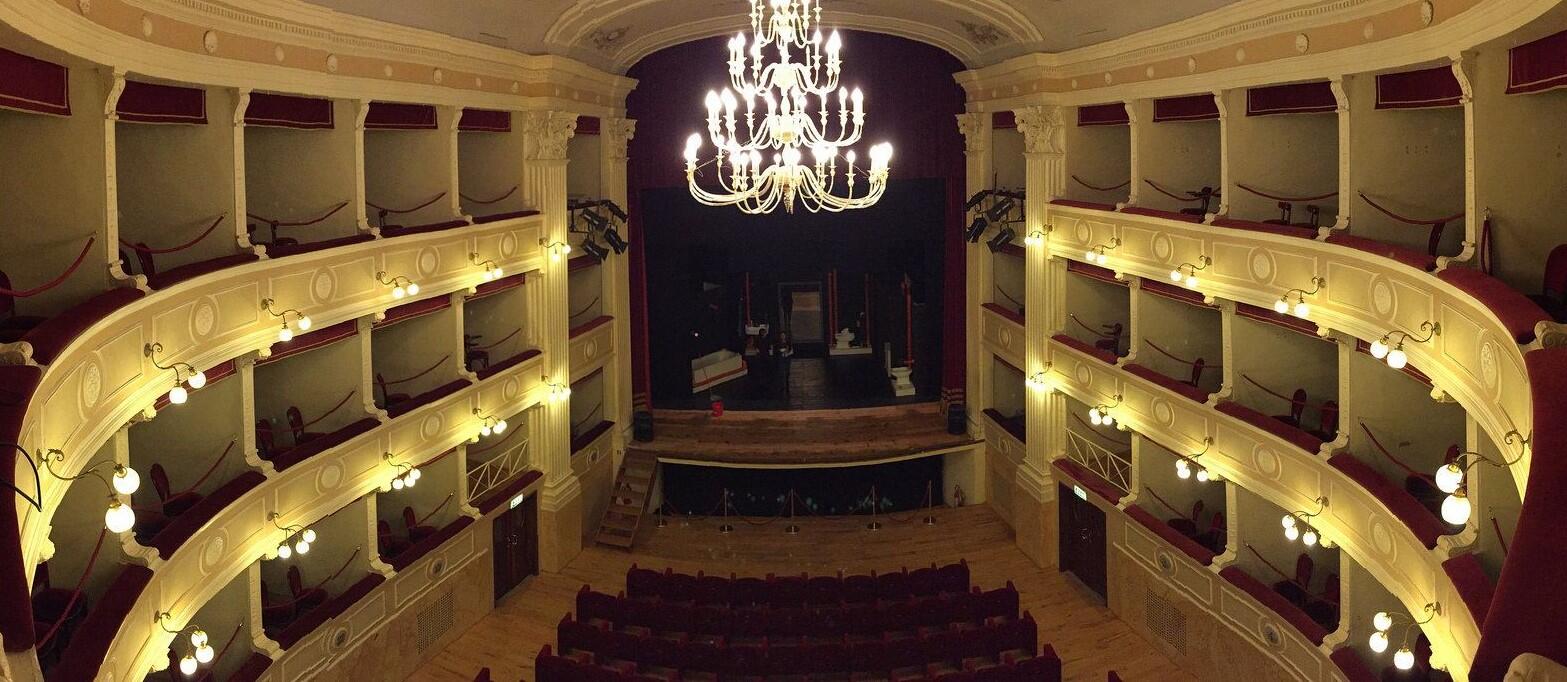
Theater of Mario Spina

The history of the Teatro Comunale begins at the end of the 16th century, when the Grand Duke of Tuscany Ferdinand I authorized the Podestà of Castiglion Fiorentino to start an Academy to perform comedies.

View More