POINT OF INTEREST  HISTORICAL BUILDINGS

Theater of Mario Spina

The history of the Teatro Comunale begins at the end of the 16th century, when the Grand Duke of Tuscany Ferdinand I authorized the Podestà of Castiglion Fiorentino to start an Academy to perform comedies.

×

More information :

There is no precise information about where and how the Accademia dei Consumati (as it was named) conducted its activities, but by 1715 the academics certainly felt the need for a proper theater. Thus, it was decided to create a stalls area and 26 wooden boxes arranged on two tiers in the current City Council Hall, providing a dignified environment for performances.

1881 was a turning point in the history of the Theater in Castiglion Fiorentino: engineer Olinto Perticucci and architect Paolo Bertelli developed the project, which would be built on the municipal land formerly owned by the Scolopi Convent. The building covers an area approximately 35 meters long by 20 meters wide, adjacent to the castle walls, with a raised rectangular stage and 45 boxes arranged on three tiers, connected by stairs and corridors.

The construction, though laborious and laborious, was completed with the inauguration on June 15, 1911.

The stalls are preceded by a large foyer and two horseshoe-shaped staircases leading to the 44 upper boxes.

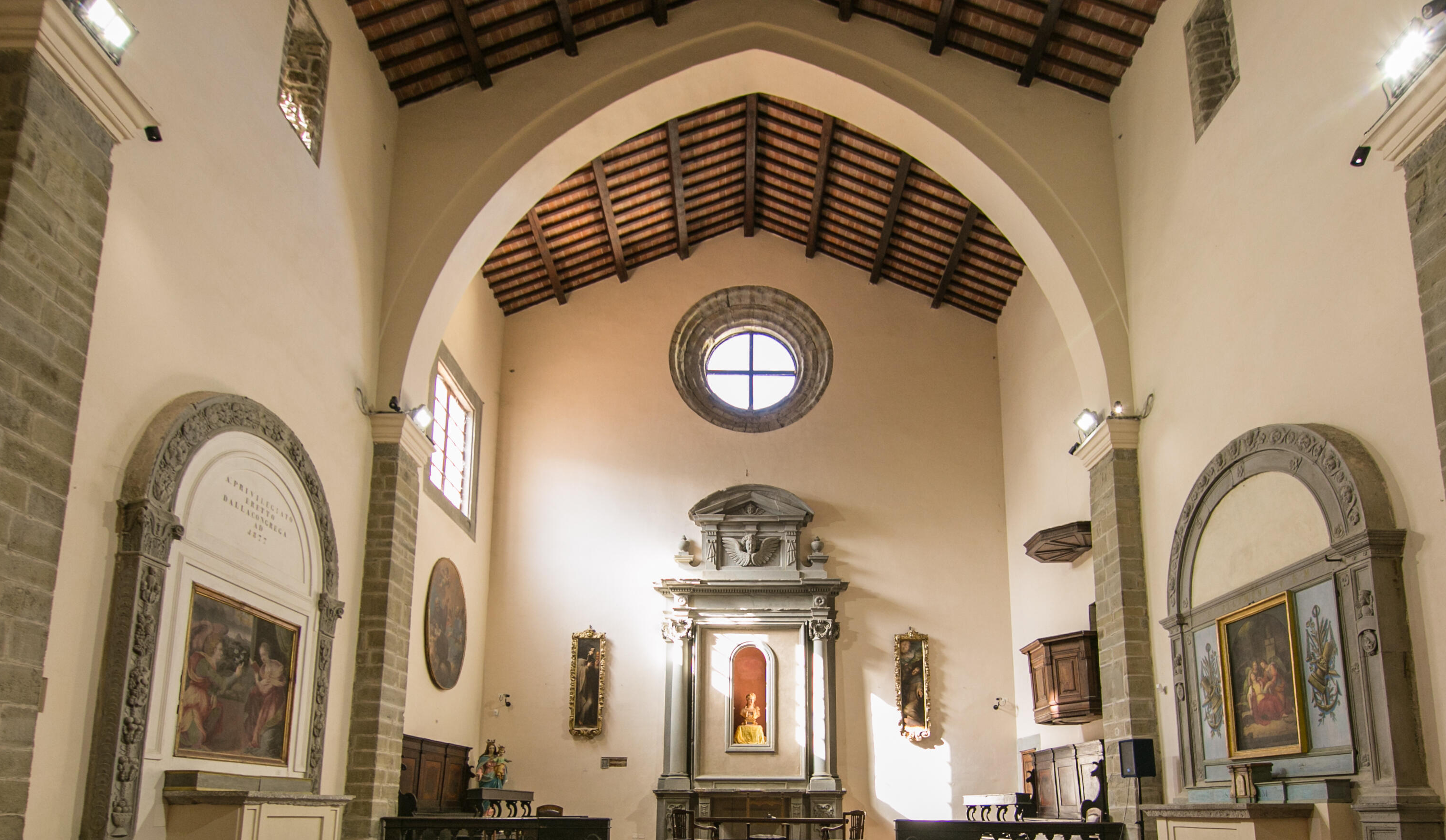
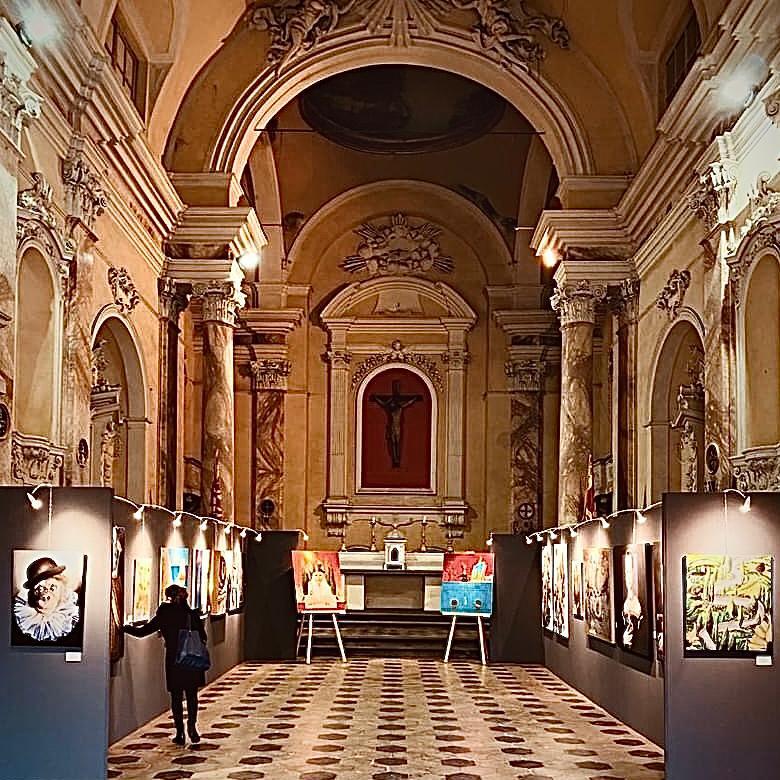
The interior decoration reflects 19th-century taste with gilded stucco, pilasters with composite capitals on the proscenium arch, imitation marble plaster, and a painted vault. The curtain is the work of the Biturgic decorator Corrado Comanducci.

When the theater's roof was being built, an opening was created in the castle walls in what is now the Presentini Park to facilitate the transport of the large beams.

How to Get Here

Address:

Via Trieste 7
52043 Castiglion Fiorentino (AR)

View in Maps

Contacts

Below are our contacts through which you can reach us:

Share the page

Below are our references through which you can contact us:

You might also be interested in ...

Drag or swipe the images for a more immersive experience.

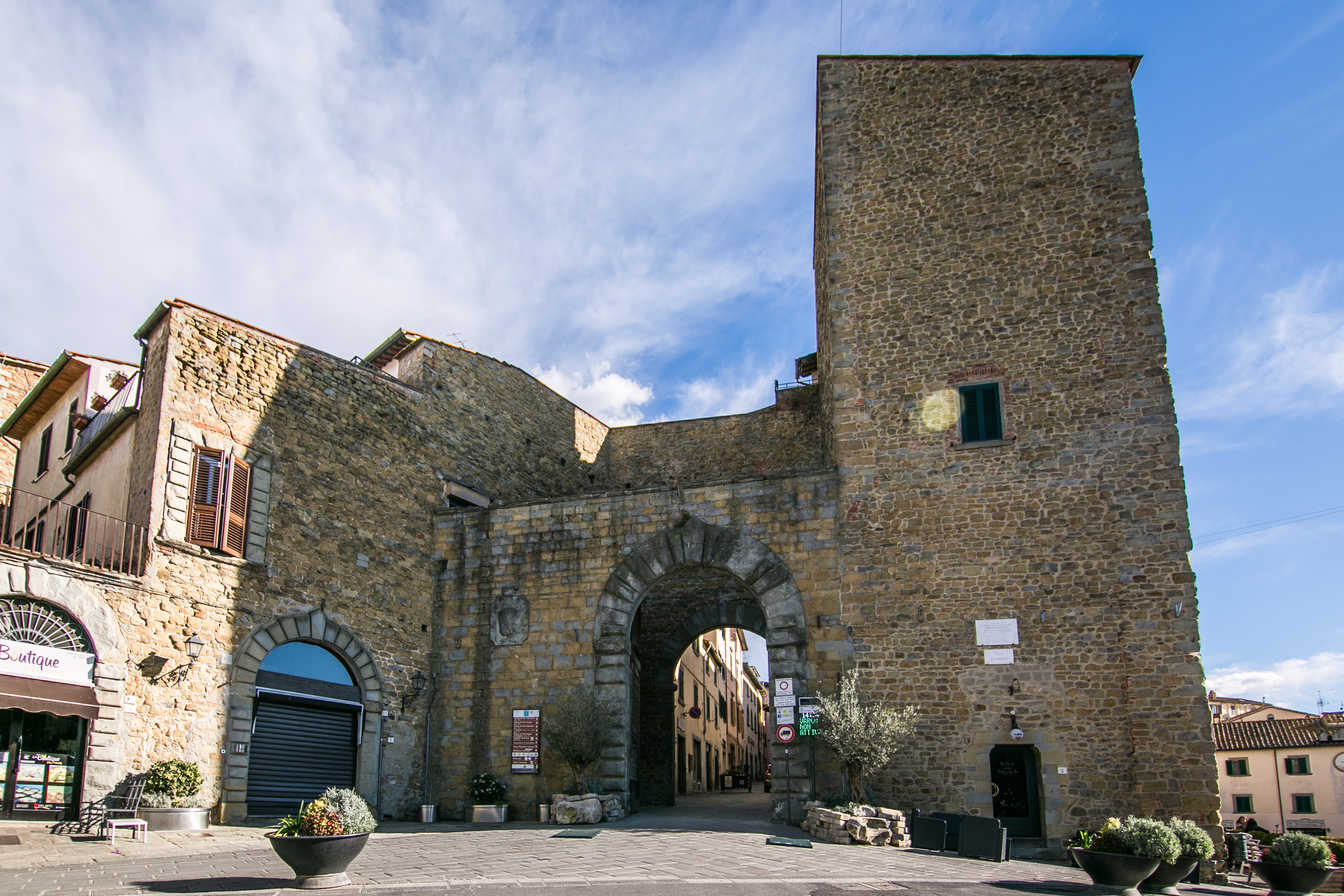
Porta Fiorentina

Porta Fiorentina, which constitutes the entrance to the northern area of ​​the historic centre, is located in what, in ancient times, was called Terziere di Mercato.

View More

Institute of Santa Chiara

The complex was founded in the 16th century, when the monastery of San Salvatore was incorporated, which underwent significant expansion after 1557.

View More

Church of the Good Death

The Company of Prayer and Death, or Company of the Good Death, was founded in 1572 to organize a service of prayer, transportation, and burial of the deceased.

View More

Bonifica Trail

Along the Canale Maestro della Chiana you can follow an equipped cycle/pedestrian path of approximately 62 km that connects Arezzo with Chiusi

View More

Palazzo Comunale

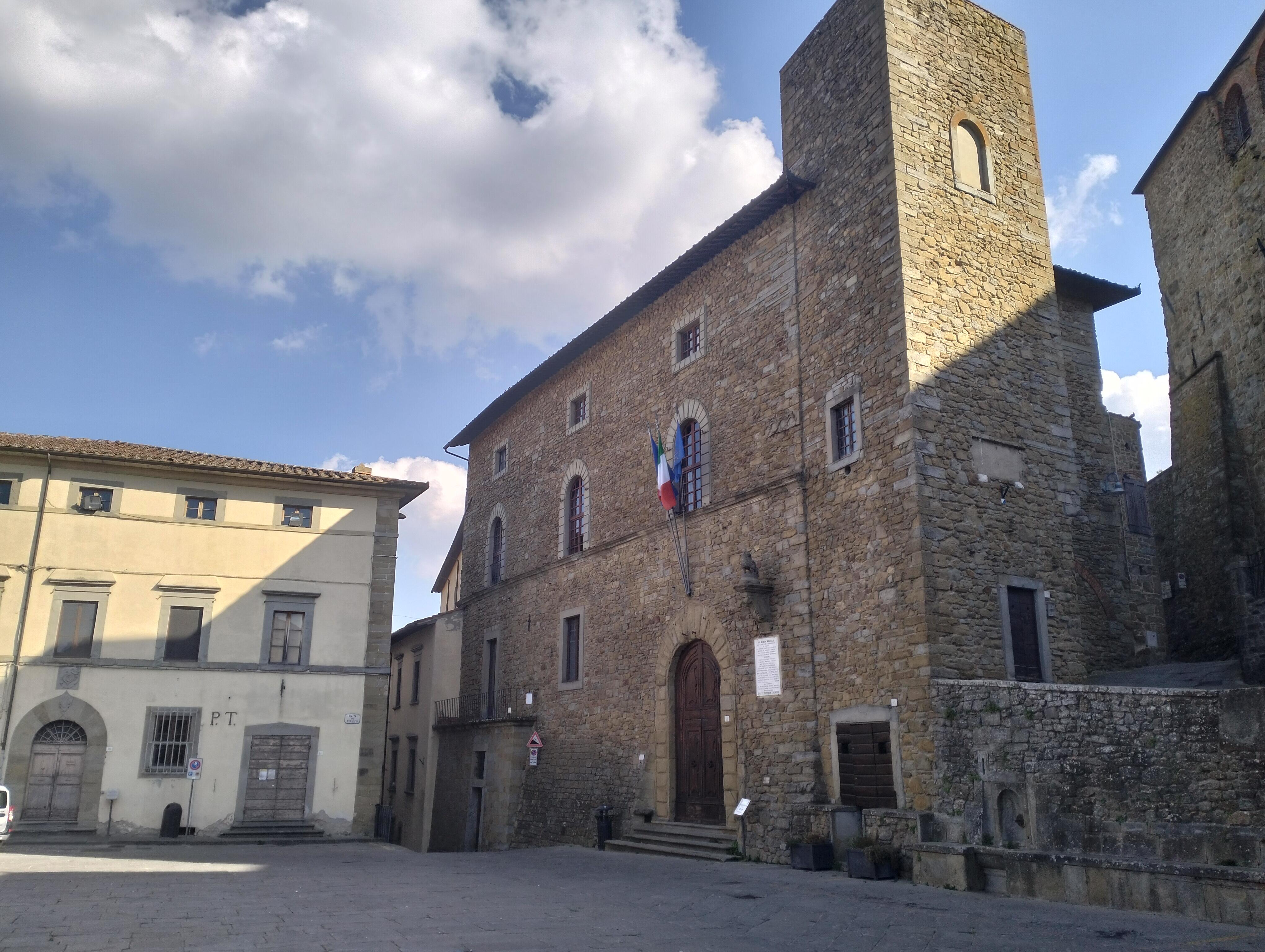
Political and administrative seat of Castiglion Fiorentino since the end of the 12th century, the Palazzo Comunale, or Palazzo San Michele, was rebuilt by the Perugians in 1375-76 and, subsequently, in 1489

View More

Collegiate Church of Saints Michael and Julian

Stands out for its neoclassical structure and its loggia with massive columns resting on travertine bases.

View More

Walks of Saint Francis

The Ways of St. Francis in Tuscany are a nearly 300-kilometer path that leads pilgrims and travelers to places linked to key episodes in the life of the Saint.

View More

Porta Romana

Anciently called Porta San Michele or Cortonese, Porta Romana represents the southern access to the city

View More

Sanctuary of Santa Maria delle Grazie del Rivaio

The Sanctuary of Santa Maria delle Grazie in Castiglion Fiorentino stands in an area originally known as Rivaio, a name that emphasizes the presence of a small stream (rivus) that likely ran through the site.

View More

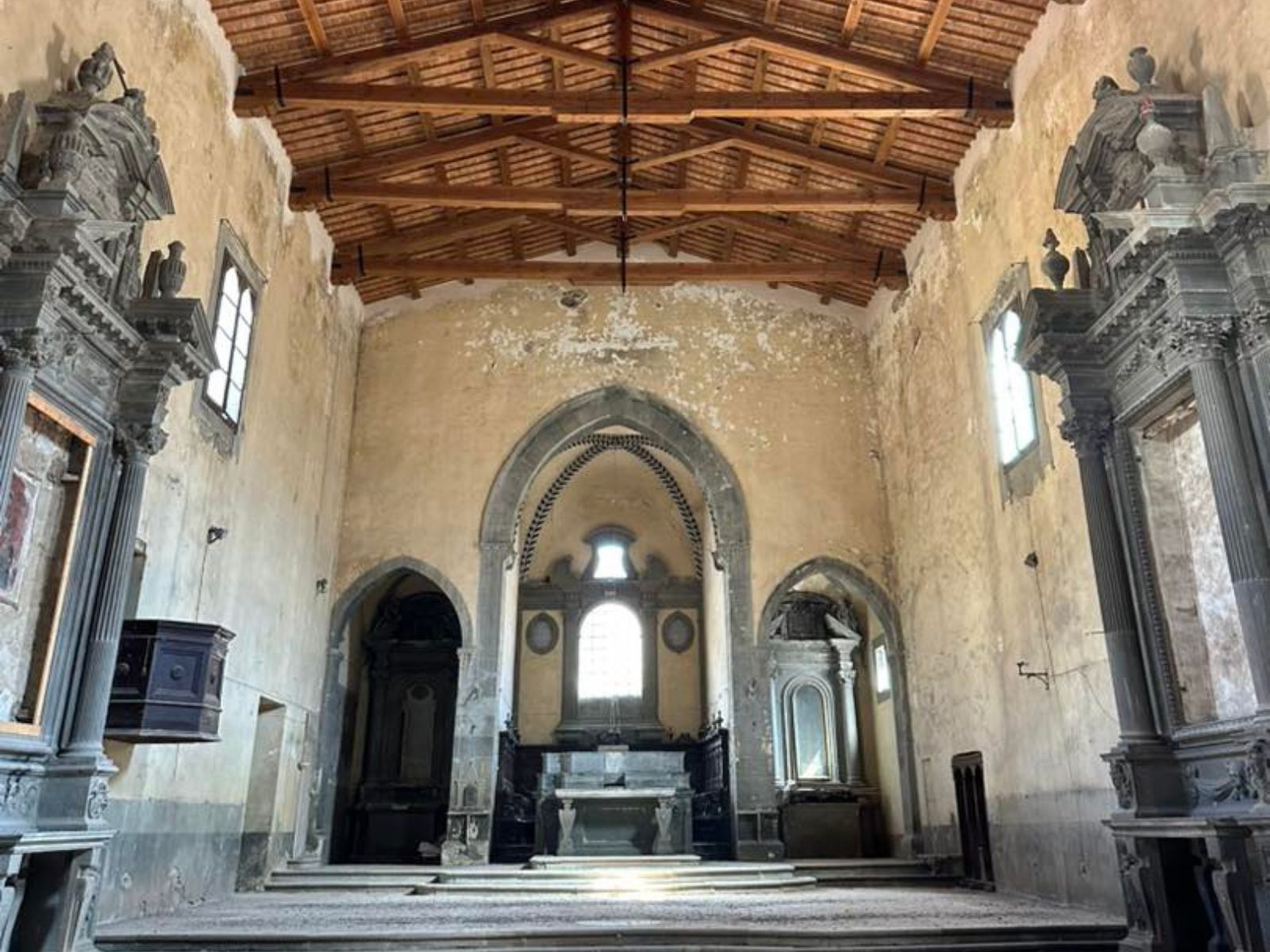
Church of Sant'Agostino

View More